

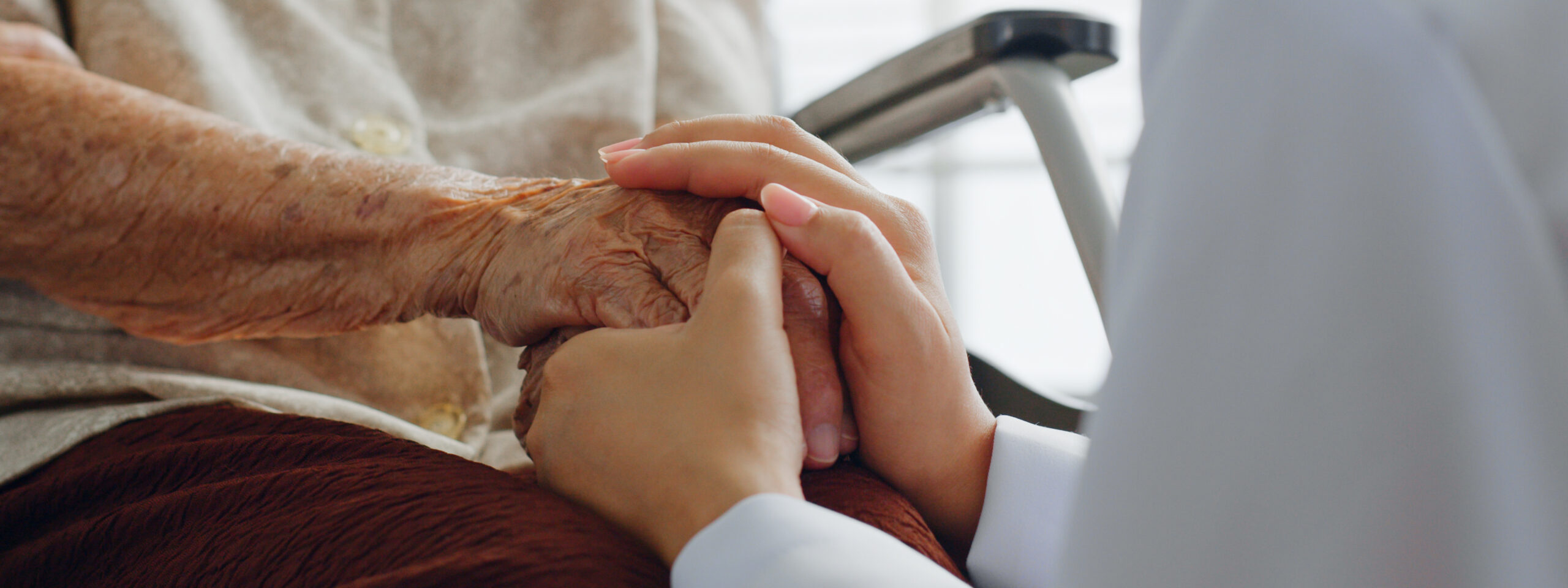
Family care Spitex – what is it?
In Switzerland, more than 500,000 people care for their relatives free of charge. According to Pro Infirmis, this amounts to 80 million hours of unpaid care work every year – most of it done by women. The need for care in Switzerland is therefore enormous. And so is the burden on family caregivers.
Family caregivers deserve to be paid
Caring for relatives often involves great psychological and physical strain. In addition, caring for relatives in your own home is time-consuming. This often leads to financial strain as well, because working hours have to be reduced. The result is lower household income.
Family care Spitex or regular Spitex?
Family members in this situation can turn to a traditional Spitex (home care) organisation. However, it should be borne in mind that home care, support and treatment become more time-consuming and complex as people get older. For traditional Spitex, this means staffing, structural and financial challenges. Recruiting staff is also difficult, especially for comprehensive care of people with multiple chronic illnesses or permanent impairments.
The role of family caregivers is therefore becoming ever more important. And they should receive fair pay for their work.
Family care Spitex and regular Spitex compared
Care by family members
- High level of familiarity and emotional bond
- Great flexibility in care times
- Less expensive
- Always the same caregiver
- Better consideration of individual circumstances
- High level of trust thanks to the family relationship
Care by Spitex
- Professional and specialised carers
- Objective and detached support
- Relief for family members
Where does the pay for family caregivers come from?
The pay that pflegehero gives family caregivers comes from contributions by the health insurer and by the municipality in which the care takes place. In Switzerland, municipalities and cantons ensure that their citizens have access to high-quality home care through Spitex organisations, with or without a service mandate from the municipalities or cantons.
What do you gain from being employed by pflegehero?
Fair pay: pflegehero pays you a fair hourly wage of CHF 36–42 for your daily work. This gives you financial stability not only today, but also in old age through contributions to the AHV (Swiss old-age and survivors’ insurance).
Professional support: when caring for your relatives, you are supported by a qualified nurse. She visits you at home, determines the individual care needs and is always there for you if you have questions.
Stress-free home care: pflegehero takes care of all administrative tasks for you and gives you access to care training and further education.
Personal contact: at pflegehero, you have a dedicated contact person who is there to help you with advice and practical support.
How can you become employed?
The path to fair pay for caring for your relatives involves four simple steps.
- Meet the requirements: you care for a person regularly and substantially, take responsibility and show your commitment to the person being cared for, are part of their close everyday environment, are of legal age, and the care situation is long-term.
- Determine care needs: during a visit by a registered nurse at the home of the person in need of care, we determine the individual care needs.
- Sign an employment contract: family caregivers receive an employment contract from pflegehero and are paid CHF 36–42 per hour for basic care (including social security contributions and holiday pay). Employment is still possible after reaching AHV retirement age.
- Request support: in addition to the personal visits by a nurse, you can contact us at any time for support.
More articles

MiGeL list: what is Switzerland’s List of Aids and Appliances?
READ MORE >
13th AHV pension: what changes for pensioners in Switzerland from 2026
READ MORE >