

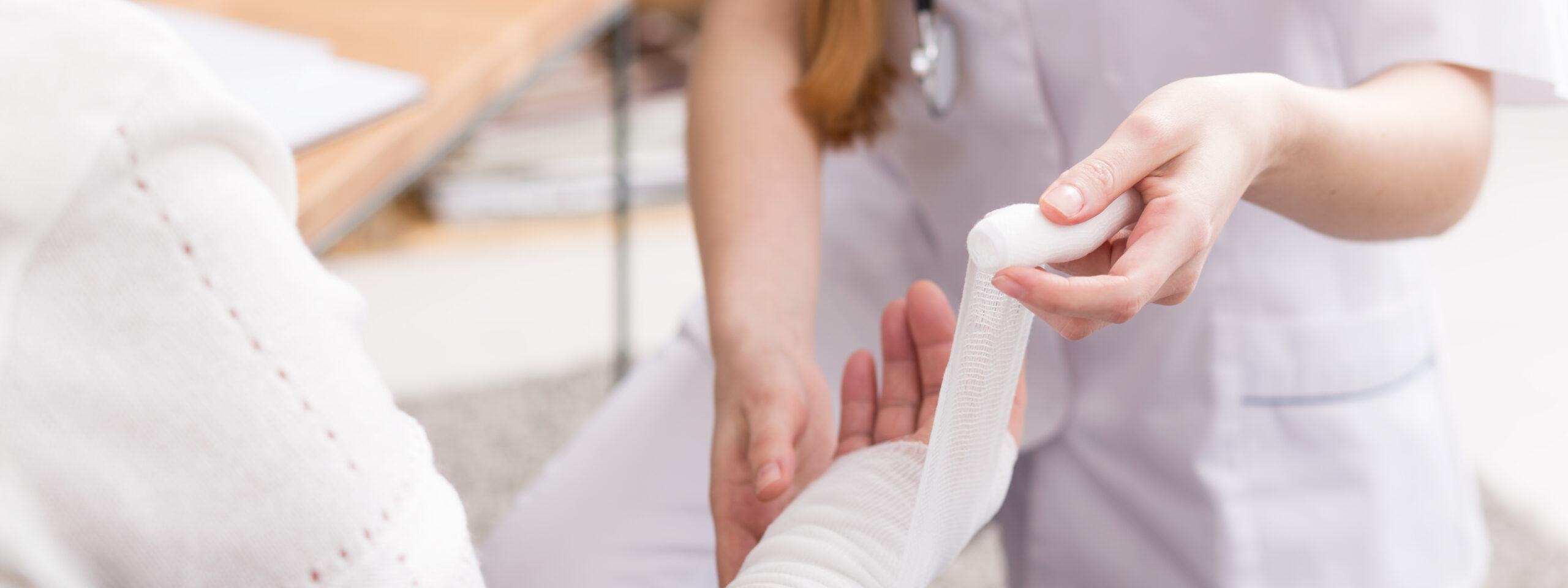
Professional wound care at home: the role of Spitex in Switzerland
A fresh surgical wound needs careful attention – not only in hospital, but also at home. The right wound care can play a decisive role in avoiding complications and supporting the healing process. But what should you look out for when caring for a wound yourself? And when does it make sense to seek professional support?
Especially in the first period after an operation, it can be reassuring to have an experienced professional by your side. In Switzerland, Spitex (home care) takes on this important task: it helps to check the wound regularly, change dressings and react quickly if problems arise. It can also give valuable tips on general wound hygiene and other measures to ensure optimal healing.
How do wounds heal? Primary and secondary wound healing
Not every wound heals in the same way. Basically, there are two types of wound healing:
Primary wound healing – rapid regeneration of closed wounds
After an operation or injury, a wound is often closed directly – with stitches, staples or special plasters. If the edges of the wound are smooth and close together, healing is usually straightforward. After one to two weeks, the wound has usually healed well, leaving only a fine scar.
Secondary wound healing – when it takes more time
Things are different if a wound cannot be closed directly, for example because tissue is missing or there is an infection. In such cases, the body has to close the wound from the inside out. The healing process can take weeks or even months, and larger scars often remain. This type of wound healing affects chronic wounds or deeper injuries, for example. Because the healing process is slower here, consistent wound care is crucial.
Knowing the type of wound is essential to ensure the right care and to support wound healing in the best possible way. Factors such as age, underlying illnesses or general state of health can also play a role. Wounds often heal more slowly in older people or in people with a weakened immune system, for example.
Wound care at home: step by step
Caring for a surgical wound at home requires care and should always be done in consultation with the doctor treating you. There are a few important basic rules to follow:
1. Hygiene is the top priority
The wound and the skin around it should be kept clean to prevent infections. Mild cleansing agents and fresh dressings are essential. In addition, hands should be washed thoroughly and ideally disinfected before every dressing change to keep germs away. Consistent infection prevention is the key to avoiding complications.
2. Change dressings regularly
The dressing protects the wound from contamination and keeps the healing process going. How often it needs to be changed depends on the wound – the doctor or Spitex will give you precise instructions. Changing it too rarely can increase the risk of infection, while changing it too often could disrupt the delicate healing process.
3. Recognise warning signs early
Redness, swelling, severe pain or even pus can be signs of an infection. In such cases, you should not hesitate to see a doctor. Fever or a general feeling of being unwell can also indicate that an infection is spreading in the body.
Special challenges with diabetes
People with diabetes need to be particularly careful with wound care. Because high blood sugar levels slow down healing, good blood sugar control is especially important. Even small wounds should be checked regularly, as they can quickly become inflamed, with the risk that the wound becomes chronic.
In Switzerland, people with diabetes or other chronic illnesses can make use of Spitex support. With a doctor’s prescription, health insurance covers the costs in many cases.
Tips for better wound healing
Various measures can be taken to speed up healing. A balanced diet rich in protein, vitamins and minerals supports the healing process. Vitamin C and zinc are particularly important, as they promote the formation of new cells. Drinking enough fluids can also help to support the healing process, as water is essential for cell regeneration.
Getting enough rest is also important so as not to put unnecessary strain on the wound. Avoid physical exertion and wear loose clothing to prevent friction on the wound. In consultation with your doctor, special wound care products such as ointments or plasters that promote healing can also be used.
When does it become critical? Recognising possible complications
Despite all precautions, problems can sometimes occur. Here are some warning signs and what to do:
Symptom
Redness and swelling
Cause?
Infection
Action
See a doctor
Symptom
Severe pain
Cause?
Inflammatory reaction
Action
Painkillers after consulting a doctor
Symptom
Weeping and pus formation
Cause?
Infection
Action
See a doctor immediately
Symptom
Loosened stitches or staples
Cause?
Improper wound care
Action
Consult a doctor
Support from Spitex – professional help at home
Spitex services in Switzerland provide professional support with wound care after an operation. They change dressings regularly, monitor the healing process and support patients with limited mobility or chronic wounds. These services are particularly valuable in ensuring optimal post-operative care.
In many cases, the costs can be covered by health insurance – a doctor’s prescription is all that is needed.
Wound healing takes patience and the right care
A surgical wound does not heal overnight – but with the right care, the healing process can be supported in the best possible way. Above all, it is important to prevent infections, keep the wound clean and not hesitate to seek professional help if problems arise.
And if you want to be on the safe side, you can get advice and support from Spitex. Because a well-cared-for wound not only heals faster – it also leaves the smallest scar.
More articles
MiGeL list: what is Switzerland’s List of Aids and Appliances?
READ MORE >
13th AHV pension: what changes for pensioners in Switzerland from 2026
READ MORE >